
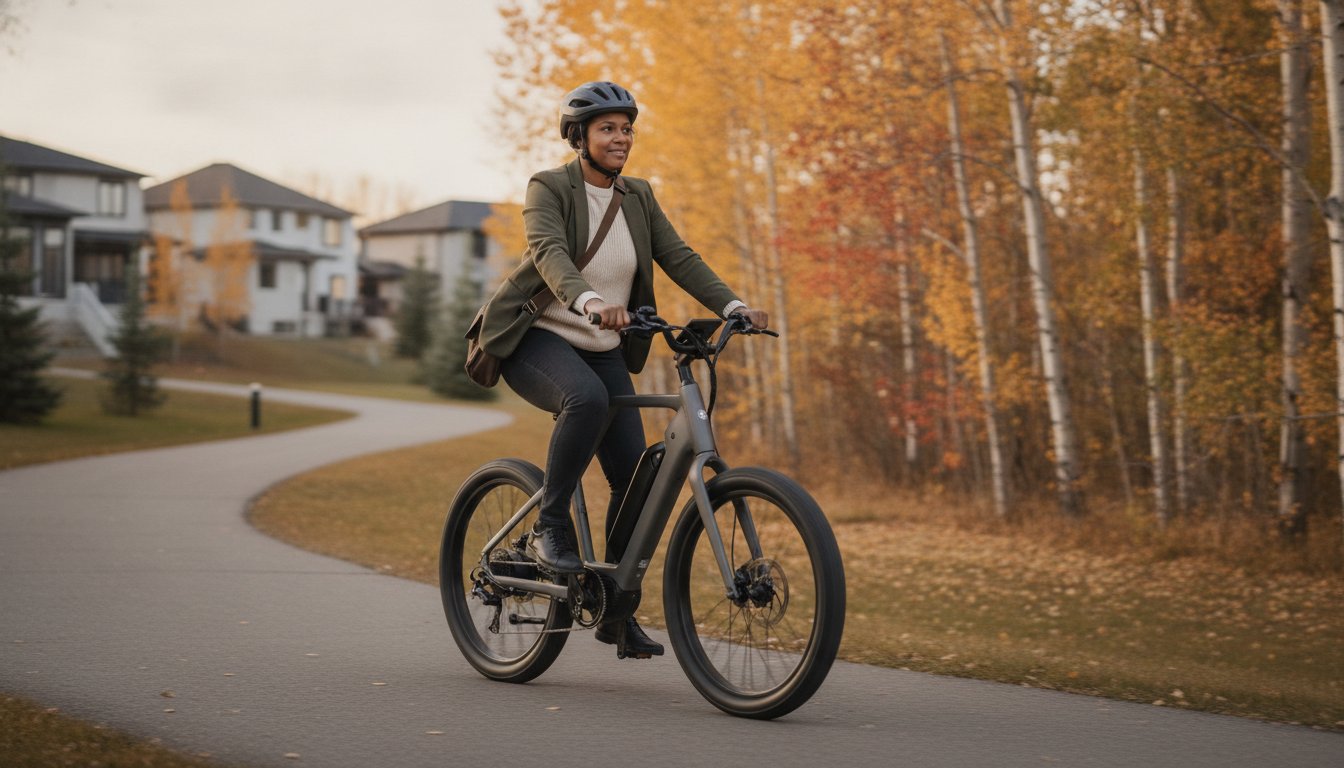
Buying an electric bike is a strategic lifestyle shift rather than a simple retail transaction. You've likely seen the surge of riders on local pathways and felt the initial hesitation that comes with modern tech. It's natural to feel some anxiety about electric bikes and prices when you're trying to realize if a motor will survive an Alberta winter or if you're overpaying for features you don't need. You want a reliable ride that won't leave you stranded when the temperature drops or the terrain gets tough.
This guide will show you exactly what your money buys in the 2026 Canadian market, from entry-level components to high-performance builds. We'll break down the long-term costs of maintenance and the impact of the 5% GST in Alberta so you can choose a bike that fits both your budget and your commute. You'll also learn why a local service centre is your best defence against technical failures. We'll explore the specific value factors that matter most for riders in our region, including how to use rentals to find your perfect match before you commit to a purchase.
Key Takeaways
- Identify the three primary price brackets in the Canadian market and learn why the mid-range "sweet spot" provides the best long-term reliability.
- Understand how battery lifespan and motor technology drive electric bikes and prices, accounting for nearly half of your total investment.
- Evaluate specific categories like commuter and fat tire models to find the best performance for Alberta's paved trails and winter conditions.
- Budget for the total cost of ownership by including essential safety gear and professional maintenance schedules in your initial financial plan.
- Leverage local rentals and showroom test rides to ensure your chosen model delivers the comfort and power you expect before you commit.
Understanding E-Bike Price Tiers: What Does Your Money Buy?
Evaluating electric bikes and prices requires looking past the initial sticker price to see the engineering beneath the frame. Most riders find that the market separates into three distinct categories: entry-level, mid-range performance, and premium specialty builds. A reliable Canadian commuter e-bike typically costs between C$2,400 and C$3,500 before taxes; this range ensures you're getting a vehicle capable of handling daily transit rather than a seasonal toy.
True value involves balancing battery longevity, motor torque, and frame durability. While a low price point is tempting, "cheap" e-bikes often lead to higher costs within the first two years of ownership. These budget models frequently use proprietary parts that are difficult to source in Canada, or they lack the weather-sealing necessary for our climate. Investing in quality upfront often saves hundreds in specialized electrical repairs and battery replacements down the road. For a deeper look at how these machines function, this Electric bicycle overview provides a solid foundation on the technology involved.
Entry-Level E-Bikes (C$1,500 - C$2,500)
This tier serves as an accessible entry point for those new to electric mobility. You'll generally find hub motors and mechanical disc brakes at this level. These bikes are ideal for casual weekend rides along the North Saskatchewan River valley or short, flat commutes. However, be prepared for heavier frames and shorter battery lifespans. Because these models often use basic cadence sensors, the power delivery might feel less natural compared to more expensive systems. They are functional, but they require more frequent adjustments to keep the mechanical components running smoothly.
Mid-Range Performance (C$2,500 - C$4,500)
We consider this the "sweet spot" for commuters in Sherwood Park and Edmonton. Moving into this bracket introduces hydraulic disc brakes, which provide vital stopping power in wet or icy conditions. You'll also see integrated batteries that offer better protection from the elements and more sophisticated torque sensors for a smoother ride. These bikes provide the best long-term return on investment because they use standardized components that are easy to service at a local shop. The increased motor efficiency often translates to more kilometres per charge, making your daily transit more predictable and enjoyable.
Premium and Specialty Builds (C$7,000+)
The premium tier includes high-performance electric mountain bikes (eMTBs) and heavy-duty cargo models designed to replace a second car. These machines feature high-torque mid-drive motors and advanced suspension systems that handle rugged Alberta terrain with ease. You're paying for cutting-edge battery density and lightweight carbon fibre or high-grade alloy frames. While the upfront cost is higher, the durability of these components is unmatched, often surviving years of heavy daily use with minimal mechanical degradation.
Factors Influencing Electric Bike Prices and Quality
The relationship between electric bikes and prices is defined by the quality of internal components that you cannot always see from a distance. While two bikes might look similar on a showroom floor, the difference in cost usually reflects the sophistication of the battery, the motor placement, and the integration of smart technology. High-quality materials ensure the bike remains a viable vehicle for years, especially when facing the unique demands of the Alberta climate.
The Battery: The Heart of the Investment
The battery pack is the single most expensive component, typically accounting for 30% to 40% of the total purchase price. Premium manufacturers use brand-name lithium-ion cells from companies like Samsung, LG, or Panasonic. These cells offer higher energy density and more charge cycles than generic alternatives. In our region, a sophisticated Battery Management System (BMS) is essential. It protects the cells from the extreme temperature fluctuations seen in Sherwood Park, ensuring the battery doesn't degrade prematurely during a cold snap. Most riders should plan for a replacement every three to five years to maintain optimal range. If you want to experience how a high-quality battery performs on your actual route, you can browse our rental fleet to test different models in real-world conditions.
Mid-Drive vs. Hub Motors
Motor technology significantly impacts both the feel of the ride and the final cost. Mid-drive motors are positioned at the bike's centre, driving the chain directly. This design allows the motor to leverage the bike's gears, making it much more efficient for climbing steep hills in the river valley. Because of their complex engineering, mid-drive systems command a higher price. Hub motors, located in the wheel, are more cost-effective and reliable for flatter city paths. They require less maintenance because they don't put extra strain on the drivetrain, but they can feel less balanced than a mid-drive equivalent.
Beyond the power system, frame materials and smart features round out the price profile. Lightweight 6061 aluminum is the standard for durability and weight savings. Advanced models often include integrated GPS tracking and app connectivity for anti-theft security and fitness tracking. While these features add to the initial cost, they provide peace of mind and a more customized riding experience. Choosing the right balance of these factors ensures your investment delivers the performance you need for your specific lifestyle.
Comparing E-Bike Categories and Costs for Alberta Riders
Every rider has a different mission. A student commuting from Sherwood Park to the University of Alberta requires a different setup than a family looking to replace their second SUV. Understanding electric bikes and prices across various categories helps you align your budget with your actual riding habits. In the 2026 market, the category you choose dictates not just your initial spend, but your long-term utility on local pathways.
Commuter and City E-Bikes
Commuter models are the workhorses of the local transit scene. Most quality options in this category fall into the C$2,000 to C$3,800 range. This price typically includes essential urban features that make daily transit viable. You aren't just paying for a motor; you're paying for a complete transportation package. These bikes usually feature:
- Integrated LED lighting systems for visibility during dark winter mornings.
- Full-coverage fenders to handle Alberta's spring slush and mud.
- Heavy-duty rear racks compatible with panniers and work bags.
Investing in a model with comfort-focused geometry is vital for daily riders. An upright riding position reduces strain on your back and neck during the 30-minute trek between Sherwood Park and Edmonton. While budget models exist, the mid-range commuter offers the durability needed for high-frequency use.
Fat Tire and Off-Road Versatility
Fat tire e-bikes have become a staple for Alberta riders who refuse to stop when the snow falls. These bikes feature four-inch wide tires that provide flotation over soft surfaces like sand or snow. You'll often see a price premium of C$500 to C$1,000 over standard commuter models. This extra cost covers reinforced frames and specialized suspension systems required to manage the extra weight and torque. Maintenance for these bikes is slightly more involved because the high-volume tires and off-road components are exposed to more grit and road salt during the winter months.
Folding and Cargo Specialty Models
Folding e-bikes offer portability for those with limited storage or those who want to combine cycling with public transit. These often match commuter pricing but may sacrifice battery capacity to achieve a compact design. On the other end of the spectrum, cargo e-bikes represent a significant investment, with high-end models often starting at C$7,000. These are true car replacements, built with heavy-duty frames and high-torque motors to carry children or heavy groceries. While the upfront cost is significant, the long-term savings on fuel and insurance make them a practical choice for many families looking to reduce their environmental footprint.

Beyond the Sticker Price: Maintenance and Gear
Planning for the total cost of ownership ensures your transition to electric mobility is sustainable. Understanding the relationship between electric bikes and prices includes accounting for the gear and upkeep that keep you on the road. While the initial purchase covers the vehicle, your budget should also reflect the components that ensure safety and utility in the Alberta climate. Proper maintenance preserves the resale value of your bike and prevents minor electrical glitches from becoming expensive hardware failures.
Riders in our region must also account for the 5% GST on all purchases, which adds a predictable but necessary line item to your financial plan. Because Edmonton and Sherwood Park have specific regulations, such as the C$250 fine for riding on sidewalks in Edmonton, investing in the right gear to stay road-legal and safe is a practical necessity. Transitioning from a car to an e-bike involves a shift in how you budget for transportation, moving from fuel and insurance costs to specialized service and protective equipment.
Professional Service and Diagnostics
E-bikes are sophisticated machines that require specialized tools for electrical system optimization. A standard bicycle shop might handle a chain replacement, but they often lack the software for professional diagnostics or firmware updates. We recommend an annual tune-up to check battery health and motor efficiency. This preventative care is a smart financial move; a C$100 service appointment can identify worn brake pads or loose connections before they lead to a C$500 emergency repair. Because Alberta riders often face grit and road salt, regular drivetrain cleaning is essential to prevent premature wear on your motor.
Essential Accessories for Safety and Utility
Safety gear is a non-negotiable expense. Alberta law requires all e-bike riders to wear a helmet, and investing in a high-visibility model is a wise choice for urban commuting. Security is another priority. If you've invested in a quality mid-range model, a heavy-duty U-lock or folding lock is necessary to protect your investment. To truly replace your car for errands, consider adding waterproof panniers or a sturdy rear rack. These accessories turn a recreational ride into a practical grocery-getter, allowing you to bypass the fuel pump entirely. If you want to keep your ride in peak condition throughout the year, book your professional maintenance session with our expert technicians today.
Preparing for an Alberta winter involves more than just swapping tires. Cold weather can impact battery performance, so many riders invest in neoprene battery covers to maintain internal temperatures. Accessing a local service centre in Sherwood Park provides a distinct advantage over online-only retailers. You get hands-on support and immediate access to specialized parts when you need them most. This local connection ensures that your investment remains a reliable mode of transport regardless of the season.
The Sherwood E-Bikes Ltd. Advantage: Local Expertise
Buying a vehicle online often leads to unexpected complications that can't be solved through a chat window. When you explore electric bikes and prices at a local specialist, you move beyond specifications on a screen and into a personalized experience. Choosing the right frame size and motor type requires hands-on interaction to ensure the machine matches your physical needs and riding style. Our Sherwood Park showroom provides the professional guidance necessary to realize the full value of your investment from day one.
Local support is particularly vital for long-term reliability. If a sensor fails or a battery requires a firmware update, shipping a 25-kilogram bike back to a warehouse in another province is both expensive and time-consuming. Sherwood E-Bikes Ltd. provides direct support for warranties and complex electrical repairs, keeping your downtime to a minimum. This proximity ensures that your commuter or enthusiast model remains a dependable part of your daily routine rather than a project taking up space in your garage.
The Value of the Test Ride
You shouldn't commit to a significant purchase without feeling how the motor engages when you start pedalling. Every manufacturer tunes their power delivery differently; some feel punchy and immediate, while others offer a gradual, natural assist. Our experts help you compare these sensations side-by-side. We take the time to match your height and weight to the correct frame geometry, ensuring your riding position is ergonomic and safe. This personalized fit is something an algorithm simply cannot replicate, and it's the best way to avoid the discomfort that leads to an unused bike.
Rentals: The Smartest Way to Shop
We believe a "try-before-you-buy" strategy is the most effective way to justify the cost of a new e-bike. Our rental fleet allows you to test a specific model on your actual commute route before you make a final decision. You can discover which features are essential for your lifestyle and which ones you might not need. This real-world testing helps you identify the perfect balance between performance and budget. To make the transition even easier, many riders find that applying their rental fees toward an eventual purchase removes the financial risk of choosing the wrong model. It's a logical, pressure-free approach to finding your ideal ride.
By choosing a local partner like Sherwood E-Bikes Ltd., you gain a knowledgeable guide deeply rooted in the Alberta cycling community. We understand the specific challenges of our trail systems and weather patterns. Whether you need specialized electric bikes and prices that fit a specific budget or expert maintenance to survive the winter, we are here to provide hands-on service. This commitment to personal interaction and specialized support is what transforms a simple purchase into a successful lifestyle shift.
Ready to Transform Your Daily Commute?
Choosing the right ride involves balancing your initial investment with long-term utility. You now understand that electric bikes and prices are influenced by battery quality and motor placement, especially when navigating Alberta's unique terrain. While entry-level models offer an accessible starting point, mid-range performance bikes provide the reliability needed for consistent transit between Sherwood Park and Edmonton. Remember that professional diagnostics and the right safety gear are essential components of your total cost of ownership.
As a locally owned Sherwood Park specialist, Sherwood E-Bikes Ltd. is here to help you navigate these choices with confidence. Our full-service maintenance and diagnostic centre ensures your bike stays optimized for every season, while our rental fleet offers a risk-free way to test your actual route. Realizing the benefits of electric mobility shouldn't be a guessing game. Browse our curated selection of e-bikes and see current prices at Sherwood E-Bikes Ltd. We look forward to helping you find a modern transportation solution that fits your lifestyle perfectly.
Frequently Asked Questions
How much does a decent electric bike cost in Canada?
A reliable e-bike for daily use in Canada typically falls between C$2,400 and C$3,500 before taxes. While budget options exist under C$2,000, this mid-range "sweet spot" ensures you're getting quality components that can handle local weather. This price range includes a more durable battery and responsive motor, which are essential for navigating the river valley or longer commutes between Sherwood Park and Edmonton.
Are cheaper e-bikes from big-box retailers worth the price?
Big-box e-bikes often seem attractive due to low upfront costs, but they frequently lack long-term value. These models often use proprietary or lower-grade components that are difficult for local shops to service or repair. When considering electric bikes and prices, remember that a cheaper initial purchase can lead to higher maintenance costs or a shorter total lifespan if parts become unavailable after just a few seasons.
How long does an e-bike battery last before it needs replacing?
Most high-quality lithium-ion batteries provide reliable performance for three to five years, depending on how frequently you ride and charge. You'll notice a gradual decline in range as the battery reaches the end of its lifecycle. Proper storage, especially keeping the battery indoors during extreme Alberta winters, helps preserve these cells and ensures you get the maximum value from your investment before a replacement is necessary.
Do I need to pay for special insurance for an electric bike in Alberta?
No, you don't need a license, registration, or specific insurance to operate a compliant power-assisted bicycle in Alberta. As long as your bike meets the 500W motor limit and 32 km/h speed cap, it's treated similarly to a standard bicycle under provincial law. However, it's a smart move to check if your existing home or renter's insurance policy covers the bike against theft or accidental damage.
How much does it cost to charge an e-bike battery at home?
Charging an e-bike battery is incredibly cost-effective, usually costing less than C$0.15 to C$0.20 per full charge based on current Alberta electricity rates. For a typical commuter riding 20 kilometres a day, the total monthly electricity cost is often less than the price of a single cup of coffee. This efficiency is one of the primary reasons e-bikes are such an effective car replacement for local transit.
Is a mid-drive motor worth the extra cost over a hub motor?
A mid-drive motor is worth the premium if your route includes frequent hills or if you carry heavy cargo. These motors leverage the bike's gears, providing more torque and a more natural-feeling assist. If your riding is limited to flat city paths, a hub motor is a reliable and budget-friendly alternative. Understanding how these different electric bikes and prices align with your specific terrain is key to finding the right fit.
What are the most expensive parts to repair on an e-bike?
The battery and the motor are the most significant expenses when it comes to repairs or replacements. A new high-capacity battery can cost several hundred dollars, while a motor failure might require a specialized hub replacement or mid-drive service. Regular professional maintenance and electrical diagnostics help you avoid these major costs by catching minor issues, like worn drivetrain components or loose connections, before they cause a system-wide failure.
Can I save money by converting my standard bike to electric?
Conversion kits can be cheaper upfront, but they often lack the integrated safety and balance of a purpose-built e-bike. A converted bike may not have the frame reinforcement or braking power designed to handle the extra weight and speed of a motor. For most riders, investing in a dedicated e-bike provides a more reliable and legally compliant experience, especially when you factor in the value of a manufacturer's warranty and local service support.


